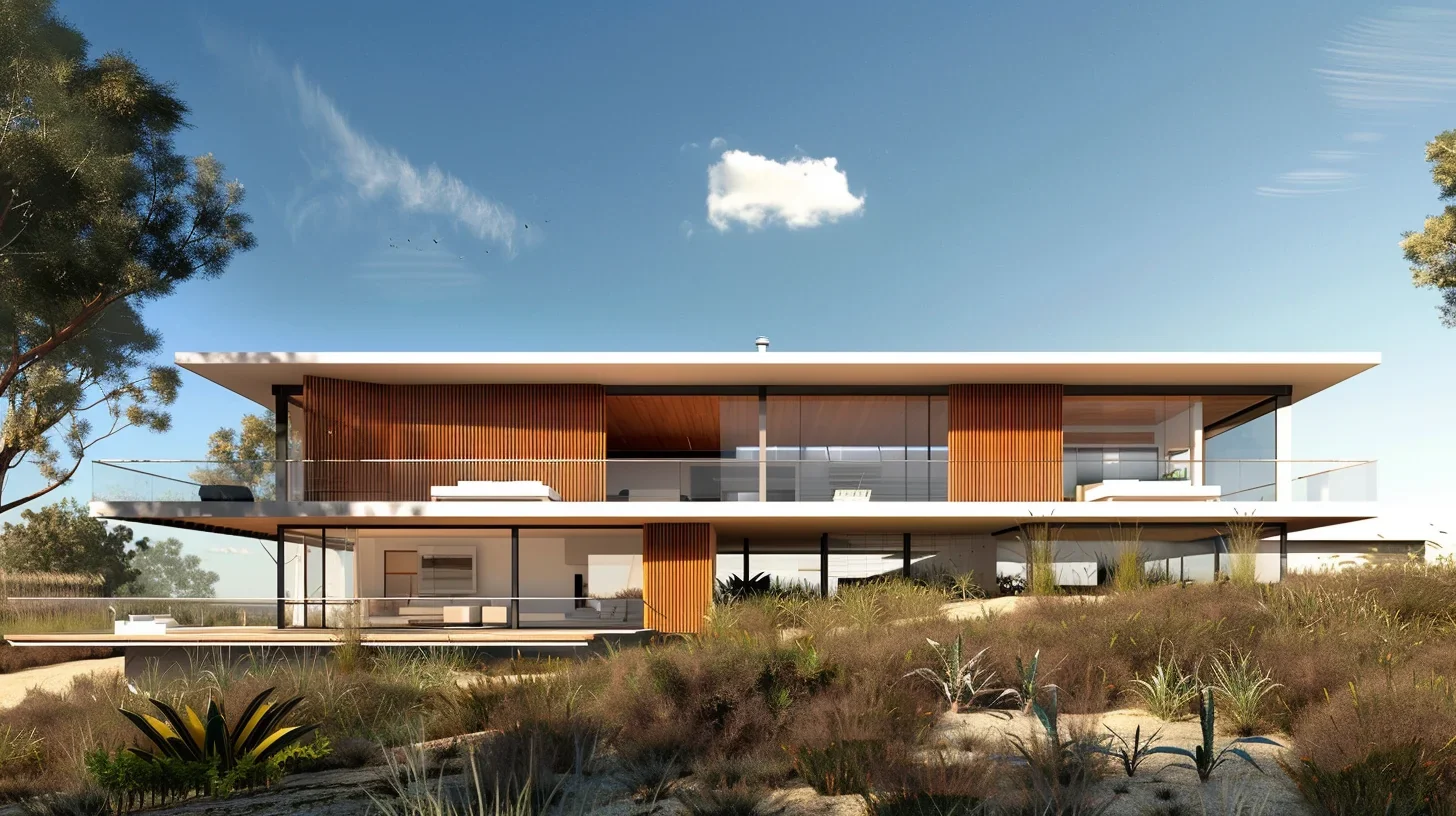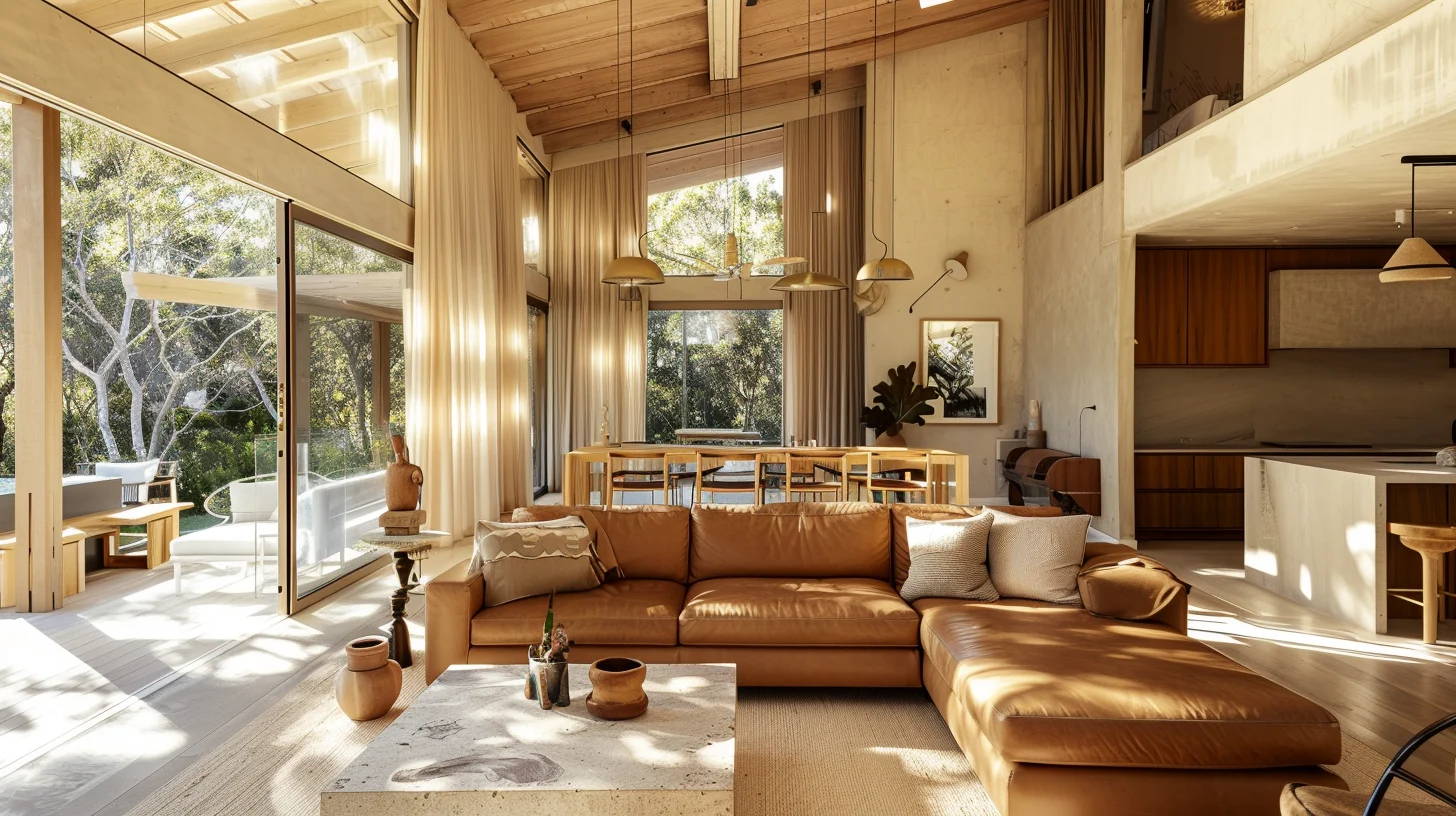
Victoria is a temperate state with a divided character. The coast runs cold and exposed, southerly fronts arriving without warning across Bass Strait. Inland, the country opens into pasture and basalt. Dry summers, frost in winter, light that flattens by mid-afternoon in July. The architectural tradition here is its own. Heavy frame, deep eave, a habit of building for the long cool months rather than the short hot ones. Victorian buildings reward weight, mass, the considered placement of a window. They punish thin detailing and surfaces chosen for the photograph rather than the decade.
The practice works the Surf Coast, including Apollo Bay, Anglesea, Jan Juc and Lorne, and the rural estate country inland from Geelong. Mike's home state. Twenty-five years of practice across Victoria sit behind the work now offered from Noosa.
What Victorian sites demand.
The first discipline is weather. Victorian coastal sites face conditions a Queensland brief never imagines. A southerly off Bass Strait carries salt, sand and rain horizontally. A house on the Surf Coast must be sealed differently, glazed differently, oriented differently. The lee of the building matters as much as the view from it. Inland, the swing between forty-degree summers and frosted winter mornings sets the thermal envelope as the first design move, not the last. Insulation, mass, the width of an eave, the depth of a reveal, all calibrated to a climate that punishes generic detailing.
The second discipline is material. Victorian hardwoods, including spotted gum, blackbutt and messmate, age into the landscape rather than against it. Local bluestone and granite carry the geology of the place into the building. Coastal exposure asks for finishes selected on a fifteen-year horizon, not a magazine cycle. Stainless fixings where a Queensland project would use galvanised. Cladding chosen for how it weathers in salt air, not for how it photographs on the day of practical completion.
The third discipline is the orientation problem. The Victorian coast looks east and south. The light is the north. These are not the same direction. A house oriented to the view turns its back on the sun. A house oriented to the sun turns its back on the view. The cheap resolution is to glaze every elevation and accept the consequences. The considered resolution is architectural. Living spaces placed where north light and ocean view can be reconciled through the plan, not the elevation. A roof lifted on the north and held low on the south. Sometimes two volumes, one to the view, one to the light, with the living held between. The plan is where this is solved. The elevation is where it shows.
The fourth discipline is restraint. Victorian planning is layered, particularly along the coast. Bushfire overlays, coastal management overlays, neighbourhood character provisions, vegetation protection. The architecture that succeeds here is the architecture that resolves these constraints into the building rather than around them. Restraint is not aesthetic preference. It is what the place demands.
How Atelier Terra works in Victoria.
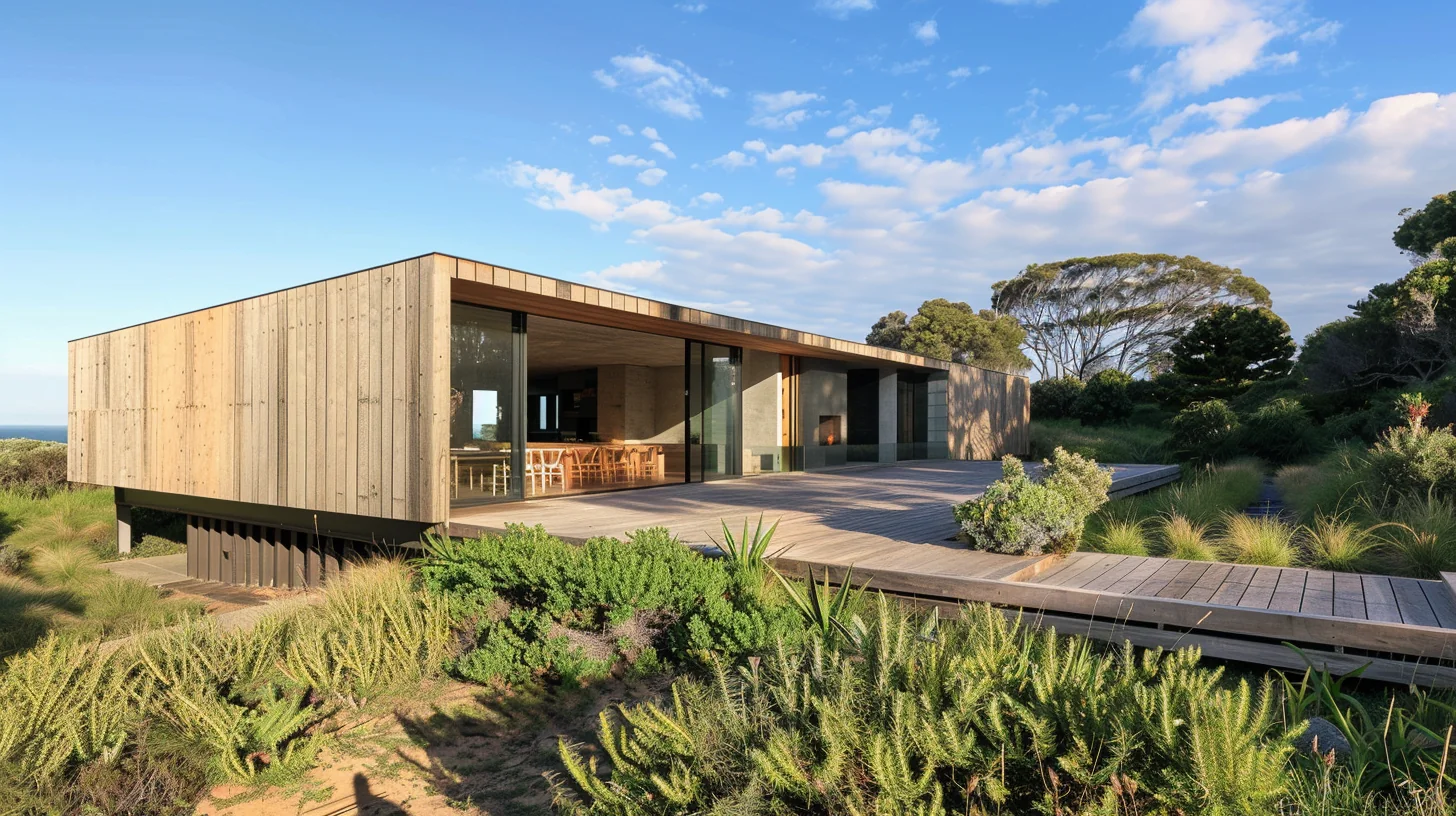
Every Victorian commission begins on site, in the conditions of the site. The Surf Coast walked at low tide and again in a southerly. The rural property read across the day, north-facing slope to south, prevailing wind to summer afternoon shadow. Twenty-five years of Victorian practice means the relationships are already in place: surveyors, structural engineers, builders with the discipline to deliver coastal-grade work, council planners across the Surf Coast Shire, Colac Otway, Greater Geelong and the rural municipalities. The practice arrives knowing who builds well in each region and how each council reads its overlays.
Documentation and delivery in Victoria run through 3iD Architecture, the studio's commercial and institutional arm, registered and operating in Victoria across two and a half decades. Mike holds ARBV registration 1024 directly. Construction documentation, contract administration and on-site presence through delivery are handled by the same senior team that has carried Victorian projects from sketch to completion since 2005.
What Atelier Terra builds here.
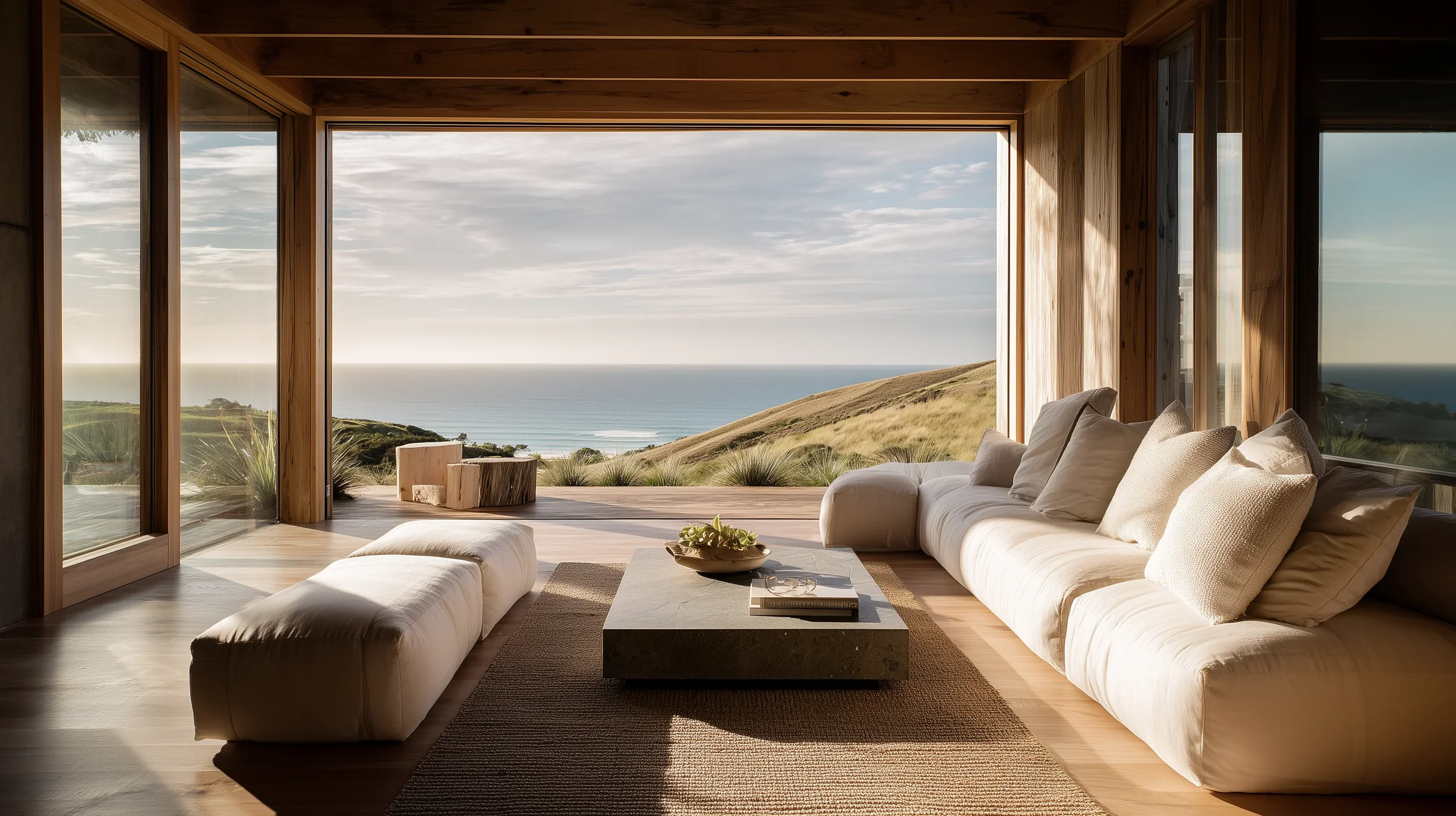
The Victorian work is residential and rural at the top of the practice's commission list. Coastal homes on the Surf Coast, new-build and significant transformation of older beach houses that have reached the end of their design life. Rural estates inland, including a working rural residence currently in commission in northern Victoria, resolved at the standard of a primary home. Hospitality renewal sits within the Victorian capability where the project warrants it, drawing on completed work including Quiddity Place and the Furphy Festival Hall.
A small number of Victorian commissions is held at any time. Each begins with a discovery conversation, on site where the site is the question.